Experiences · 24 October 2026 · 4 min lexim · 1 lexime
The Village Museum: All of Romania in One Afternoon in Bucharest
Wooden churches, thatched cottages and windmills from every corner of the country: Bucharest's Village Museum lets you travel across Romania in one afternoon.
Imagine walking from the wooden churches of Maramureș to the reed-roofed cottages of the Danube Delta in less than an hour. Imagine stepping from a Transylvanian farmyard into a Moldavian homestead, then pausing beside a windmill from Dobrogea. That is the magic of the Village Museum, known in Romanian as Muzeul Satului, one of the oldest and most beautiful open-air museums in Europe, set on the shore of a lake in the middle of Bucharest.
A museum born from a sociologist's dream
The museum was founded in 1936 by Dimitrie Gusti, a sociologist who led teams of researchers into villages all over Romania to study rural life. Rather than only describing what they found, Gusti had a bolder idea: to bring real houses to the capital, so that city dwellers could see and feel how most Romanians lived.
Original buildings were carefully dismantled, transported and rebuilt in the park now known as King Michael I Park. Over the decades the collection grew, and today it includes hundreds of buildings and many thousands of objects, from tools and textiles to ceramics and furniture. It is now officially called the Dimitrie Gusti National Village Museum.
A journey across the regions
The museum is arranged by region, so a walk through it is like a slow journey across the country. Each area has its own architecture, materials and character.
Maramureș: the land of wood
From the far north come tall wooden gates, carved with rope patterns and solar motifs, and a magnificent wooden church with a steep shingled roof and slender spire. The craftsmanship is extraordinary, and the church is one of the museum's most photographed treasures.
Transylvania and Banat
Here the houses are sturdy and practical, often with stone foundations, large barns and enclosed farmyards. Look out for colourfully painted furniture and traditional textiles that reveal the influence of neighbouring cultures.
Moldavia and Bukovina
Houses from the north-east often have deep porches and carved wooden columns, and their interiors are rich with woven rugs, embroidered towels and icons painted on glass or wood.
Oltenia, Muntenia and the Danube Delta
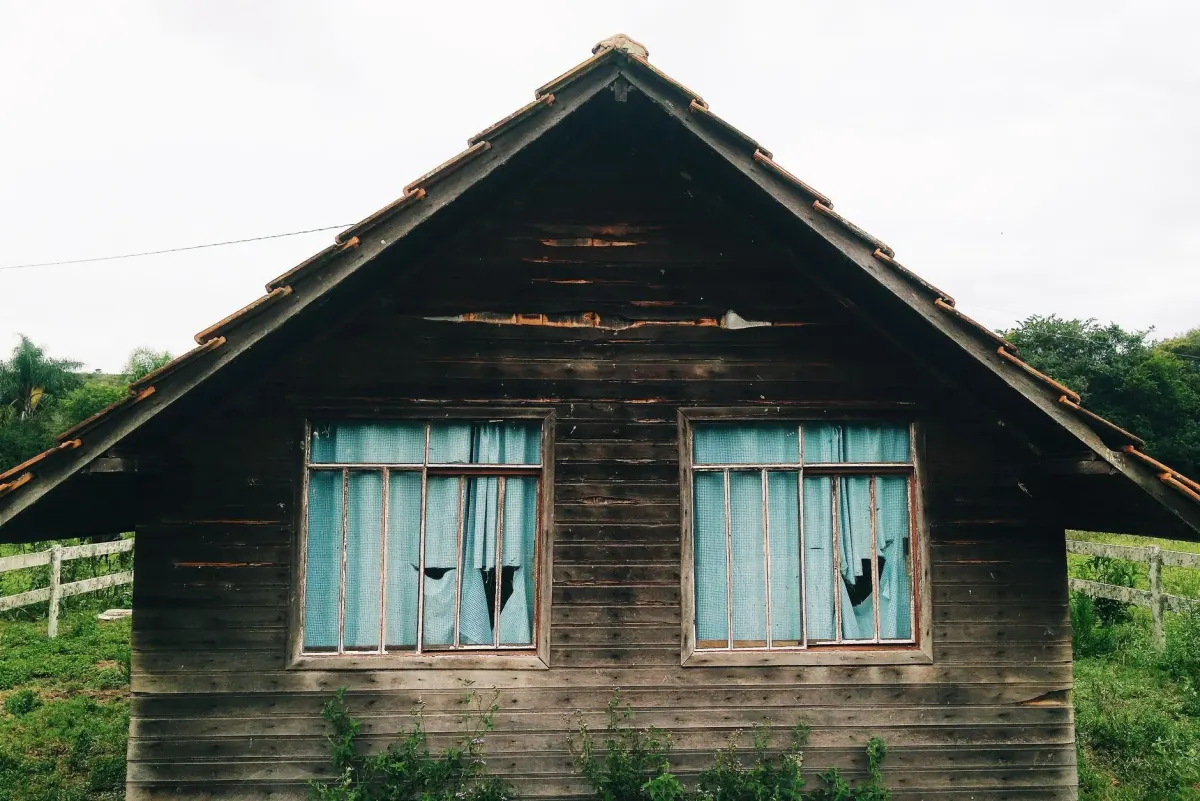
In the south you will find some of the museum's most fascinating homes, including semi-underground dwellings from Oltenia, built partly into the earth to keep warm in winter and cool in summer. From the Delta come reed-thatched fishermen's houses, painted in soft whites and blues. Scattered across the grounds are windmills and watermills, a reminder of how ingenious village life had to be.
Details that bring it to life
What makes the Village Museum special is the way it feels lived in. Wander slowly and notice:
- The interiors, where beds are piled high with embroidered pillows, a tradition that showed a family's skill and prosperity.
- The carved gates, which in many regions were a statement of status and a symbolic protection for the home.
- The craftsmen's workshops, where you can see tools for weaving, pottery and woodwork.
- The museum shop, a good place to find traditional crafts, ceramics and textiles made by Romanian artisans.
Festivals and traditions
Throughout the year, the museum hosts fairs, craft demonstrations and celebrations of folk customs. Around Easter, painted eggs and spring traditions take centre stage. In the weeks before Christmas, the museum is known for events featuring carols, traditional food and winter customs, which feel especially atmospheric when snow settles on the thatched roofs. Programmes change every year, so check the museum's official announcements before your visit.
Practical tips
- Allow two to three hours to see the main areas without rushing. Photographers and craft lovers may want longer.
- Wear comfortable shoes. The paths are partly unpaved and the grounds are extensive.
- Visit in the morning or late afternoon in summer to avoid the heat and enjoy softer light.
- Check opening hours and ticket details before you go, as they vary with the season.
- Some interiors are viewed from the doorway, to protect fragile objects. Respect the barriers and signs.
Combine it with the park
The museum sits beside King Michael I Park, so it is easy to continue with a lakeside walk, a coffee by the water or a visit to the nearby Arc de Triomphe. Together they make a perfect, relaxed half day.
Why it matters
For travellers who may not have time to visit Maramureș, Bukovina and the Danube Delta on a single trip, the Village Museum is a wonderful introduction to rural Romania. For those who will travel further, it is the perfect primer, making later journeys richer. And for everyone, it is a quiet, poetic counterpoint to the energy of the capital.
Visit with Kartas
The Village Museum is a highlight of our private Bucharest city tour, often paired with the elegant northern boulevards and a lakeside pause. If the museum inspires you to see the real villages, browse our private experiences and let your chauffeur take you from Bucharest into the heart of Transylvania and beyond.
Planifikojeni me ne
Dëshironi që ta organizojmë ne për Ju?
Na tregoni datat — ju dërgojmë një plan privat me çmime fikse.