Bucharest · 31 October 2026 · 4 דקות קריאה · 1 קריאות
Bucharest Old Town: 500 Years in a Few Streets of Lipscani
Princes, merchants, monks and poets all left their mark on Bucharest Old Town. Discover five centuries of history hidden in the cobbled streets of Lipscani.
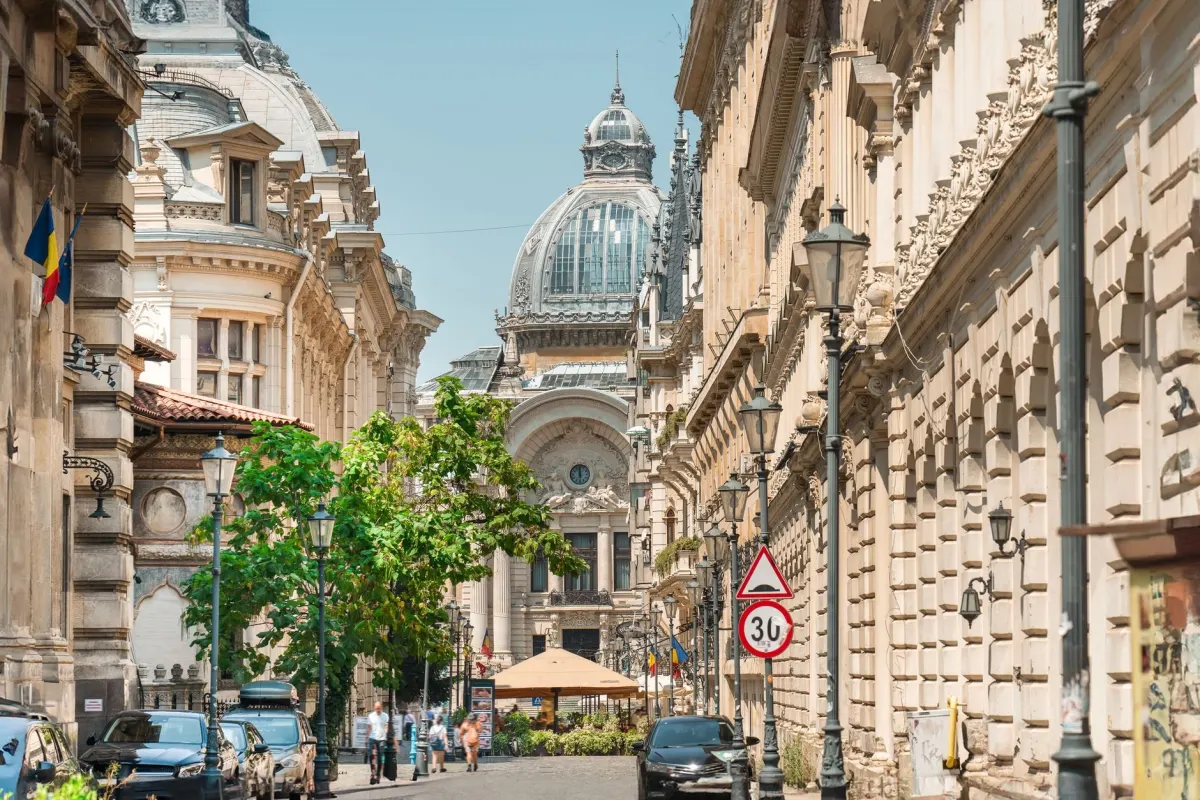
Bucharest's Old Town is small enough to cross in ten minutes and rich enough to fill a whole day. Locals call it the Centrul Vechi, or simply Lipscani, after its most famous street. By day it is a maze of churches, arcades and grand banking palaces. By night it becomes the liveliest few blocks in the country. Underneath both lies more than five centuries of history, layered like the cobblestones themselves.
Where Bucharest began
The story starts at the Old Princely Court, or Curtea Veche. The earliest known document mentioning Bucharest by name was issued in 1459 by Vlad III, the Wallachian prince remembered as Vlad the Impaler and the historical figure behind the Dracula legend. Over the following centuries, the princes of Wallachia expanded the court into a fortified residence, and the city grew around it.
Today you can walk among the ruins of the old palace walls and visit the Old Court Church, built in the sixteenth century and considered one of the oldest surviving churches in the city. It is a quiet, atmospheric spot, especially early in the morning before the streets fill up.
The merchants' quarter
Around the court, a commercial district flourished. Many streets belonged to particular guilds and still carry their names, from saddle makers to furriers and goldsmiths. Strada Lipscani itself takes its name from the traders who brought goods from Leipzig, known in old Romanian as Lipsca. For centuries, this was where Bucharest bought silk, spices, jewellery and news from the wider world.
Inns, caravanserais and secret courtyards
Travelling merchants needed somewhere to sleep, store goods and do business, so the quarter filled with hanuri, large inns built around inner courtyards. The most famous survivor is Hanul lui Manuc, completed in the early nineteenth century, with its wooden galleries overlooking a central yard. Nearby, the smaller Hanul cu Tei is a charming passage where art and antique shops have taken the place of merchants' storerooms.
Keep an eye out, too, for the covered arcades. Pasajul Macca-Villacrosse, a curved glass-roofed passage, is one of the most photographed corners of the Old Town and a lovely place to linger over coffee.
A jewel of a monastery
If you see only one thing in the Old Town, make it Stavropoleos Monastery. Its small church, built in 1724, is a masterpiece of the Brâncovenesc style, with carved stone columns, painted façades and an inner courtyard filled with old tombstones and fragments of lost churches. Inside, the light is soft, the icons glow, and the monastery is known for its Byzantine choir and its library of old books. Remember that it is a working place of worship: dress modestly and speak softly.
The age of banks and palaces
In the late nineteenth and early twentieth centuries, Romania's new prosperity moved into the Old Town in the form of monumental banks. Look up as you walk and you will see the confident façades of the National Bank of Romania, the domed CEC Palace on Calea Victoriei, and the former Post Office Palace, now home to the National History Museum of Romania, where the national treasure is displayed. These buildings gave the district its grand, almost Parisian air.
Survival and rebirth
The Old Town had a turbulent century. Earthquakes, wars and neglect took their toll, and during the communist years much of the area was left to decay. Paradoxically, those decades of neglect helped preserve its street plan and many of its buildings. After the year 2000, a long restoration began: streets were repaved, façades repaired, and cafés, galleries and bars moved in. Today the district is a lively mix of carefully restored landmarks and corners that still wear their history openly.
How to enjoy the Old Town
- Come early for history. Mornings are perfect for the Old Princely Court, Stavropoleos and the museum, when the streets are calm.
- Come late for atmosphere. In the evening, terraces fill up and the district hums with music and conversation.
- Look beyond the main streets. Some of the most beautiful details are in side passages and inner courtyards.
- Check opening hours of churches and museums before you go, as they can vary with the season and religious holidays.
- Wear comfortable shoes. The cobblestones are charming but unforgiving on heels.
Beyond the tourist trail
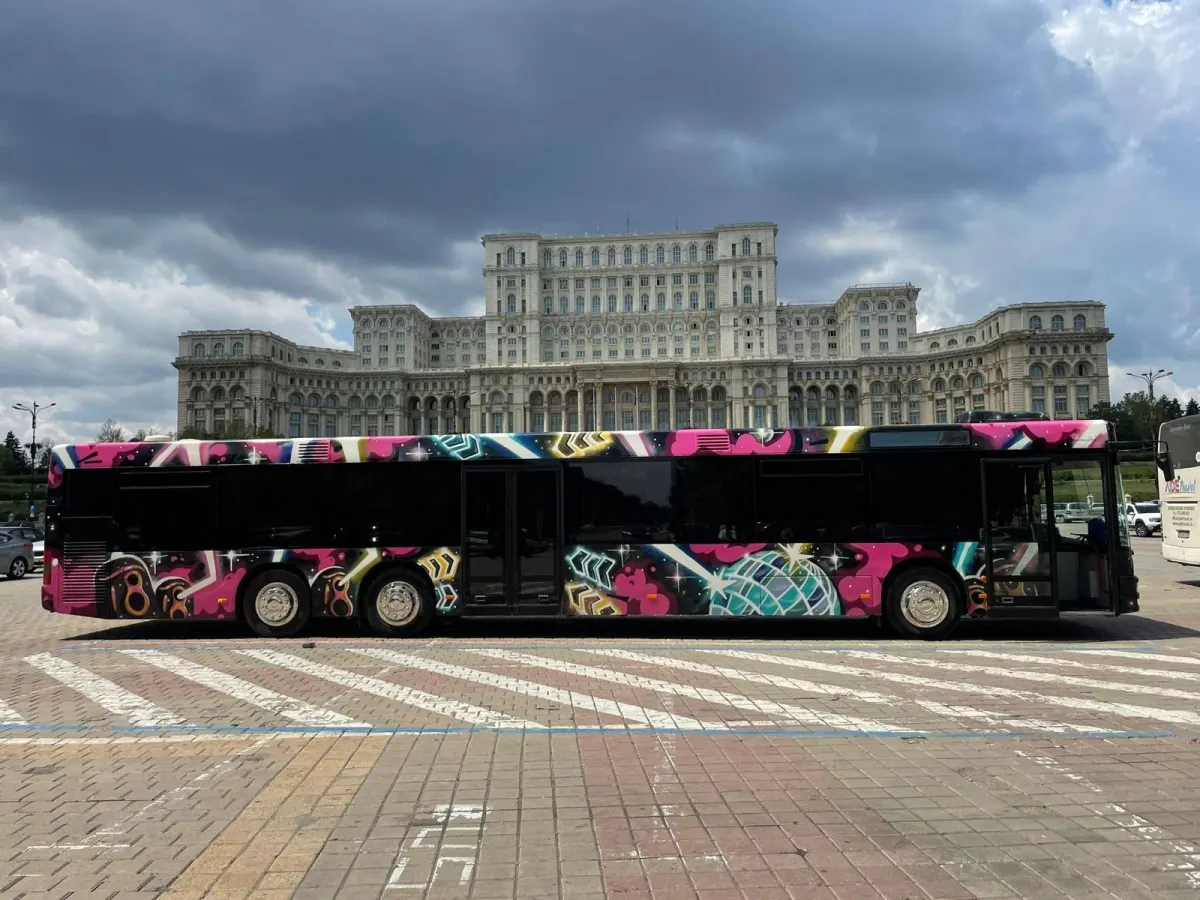
A few minutes' walk away you will find the elegant Calea Victoriei, the quiet square around the Romanian Athenaeum and, a short drive south-west, the Palace of the Parliament. The Old Town works best as the heart of a wider journey rather than a destination on its own.
Discover Lipscani with Kartas
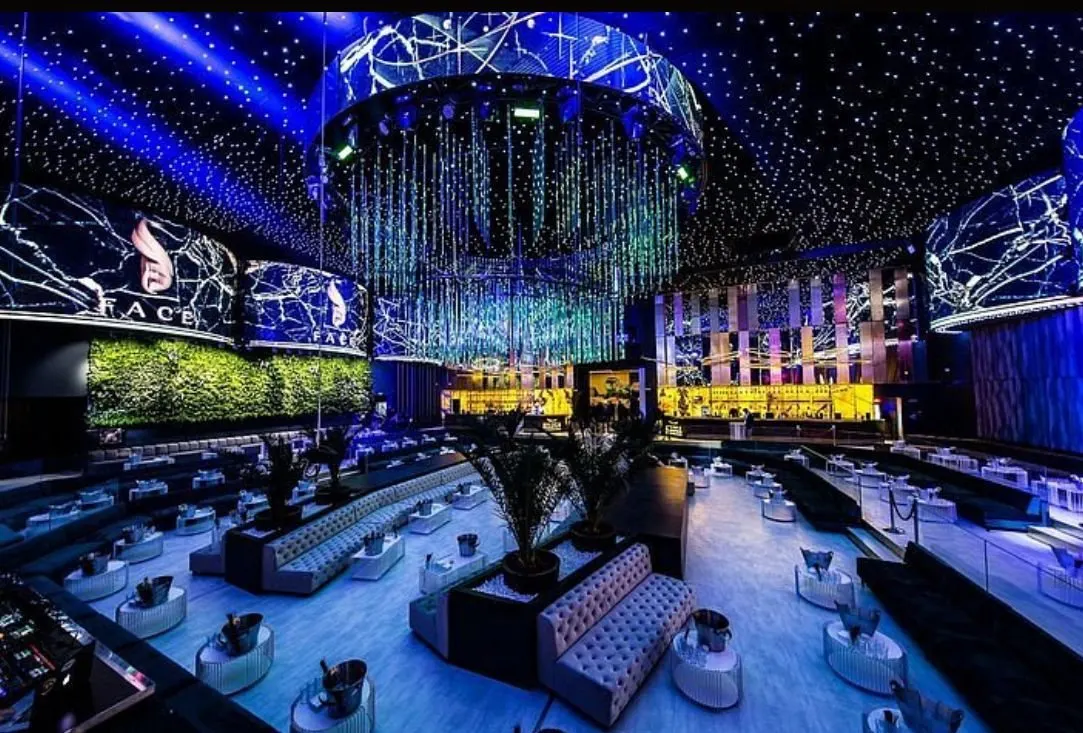
The Old Town is pedestrian, but the city around it is large, and that is where a private car makes all the difference. On our private Bucharest city tour, your chauffeur drops you at the edge of the historic centre, waits while you explore, and whisks you on to the next chapter of the city's story. And if you want to return after dark, our VIP nightlife experiences show you the Old Town at its most glamorous, with door-to-door comfort all evening.
תכננו איתנו
רוצים שנארגן לכם את זה?
ספרו לנו את התאריכים — ונשלח תוכנית פרטית במחירים קבועים.