Bucharest · 28 October 2026 · 5 min de lectura · 1 lecturas
Communist Bucharest: The Stories Behind the Boulevards
Grand boulevards, moved churches and a palace built on a vanished hill: discover the stories behind communist Bucharest and how the city remembers that era.
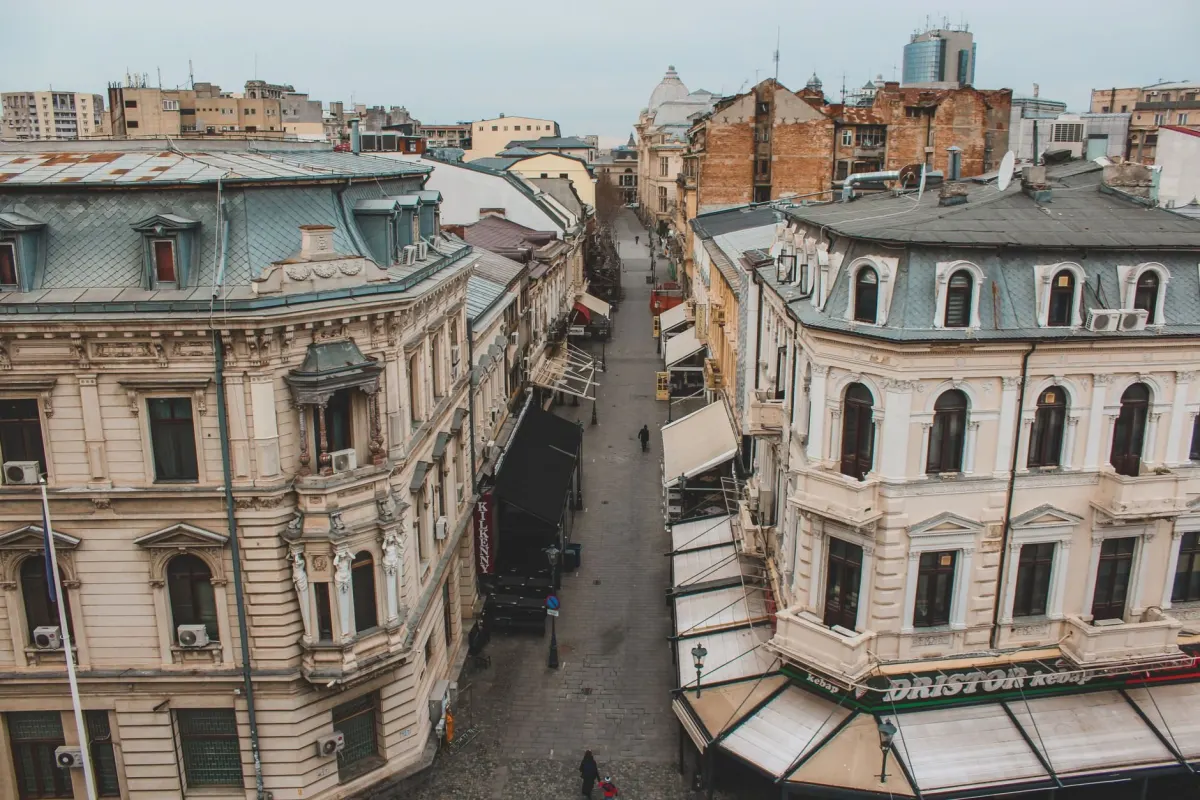
Bucharest wears its twentieth century openly. Between Belle Époque palaces and old churches, you will see wide boulevards, monumental apartment blocks and a palace of almost unreal proportions. These are the traces of more than four decades of communism, and understanding them is the key to understanding the city. For many visitors, exploring communist Bucharest turns out to be the most fascinating part of their trip.
A city reshaped
When the communist regime took power after the Second World War, it set out to remake Bucharest in its own image. The early years brought Soviet-inspired monuments, while later, under Nicolae Ceaușescu, ambitions grew far larger. After the devastating earthquake of March 1977, which caused heavy loss of life and damage across the capital, the regime pressed ahead with a sweeping programme known as systematisation.
The result was the Civic Centre: a new heart for the capital, built on the site of old neighbourhoods around Uranus Hill. Thousands of homes, as well as churches, a monastery complex and historic streets, were demolished to make room for it.
The House of the People and its boulevard
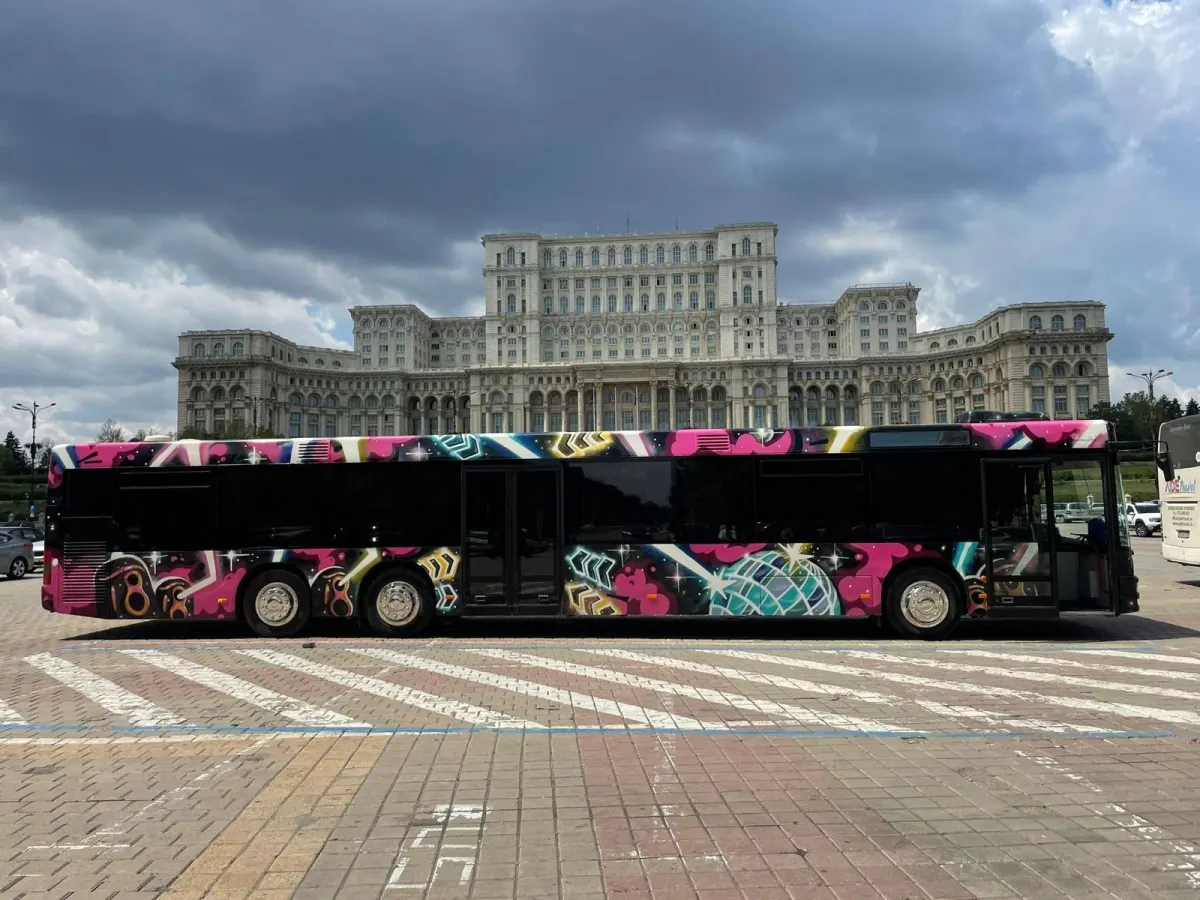
At the centre of it all stands the former House of the People, today the Palace of the Parliament, listed by Guinness World Records as the heaviest building in the world. In front of it runs Unirii Boulevard, originally called the Boulevard of the Victory of Socialism, conceived to rival the Champs-Élysées. Its fountains and uniform façades were designed to impress, and they still do, though locals will tell you about the hardships of the 1980s, when this vast project was built while ordinary families struggled with shortages of food, heating and electricity.
The churches that moved
One of the most extraordinary stories of the era is that of the churches moved on rails. Faced with the planned demolition of historic places of worship, engineer Eugeniu Iordăchescu developed a technique to lift entire churches onto rails and slide them away, sometimes hundreds of metres, then hide them behind new apartment blocks.
- Mihai Vodă Monastery church, founded by Michael the Brave in the late sixteenth century, was moved and now sits half-hidden behind blocks of flats not far from the Palace of the Parliament.
- Schitul Maicilor, a small and beautiful church, was also relocated and now stands tucked away between residential buildings.
Finding them, unexpected and slightly out of place, is one of the most moving experiences in the city.
Stalinist echoes: the House of the Free Press
In the north of the city stands an earlier symbol of the regime: the House of the Free Press, originally named after the party newspaper Scînteia. Built in the 1950s in the Socialist Realist style, its tall central tower recalls the Stalinist skyscrapers of Moscow. For decades it housed the country's main printing presses and newspapers, and it remains one of the most striking silhouettes on the Bucharest skyline.
Inside the Ceaușescu residence
In the leafy Primăverii district, once reserved for the party elite, you can visit the former residence of Nicolae and Elena Ceaușescu. The house is surprisingly opulent: silk wallpapers, mosaics, gilded bathrooms, an indoor pool, a private cinema and a winter garden. It offers a revealing glimpse into the private world of a couple who demanded austerity from everyone else. Visits are by guided tour, and booking ahead is recommended.
December 1989: the city that rose up
The regime ended in December 1989, and many of the key moments took place in central Bucharest.
Revolution Square
On 21 December, Ceaușescu addressed a crowd from the balcony of the Central Committee building. The rally turned into a protest, and the next day the dictator fled by helicopter from the roof. Today the square is home to the Memorial of Rebirth, and you can still see the building and its balcony.
University Square
A few minutes away, Piața Universității was the scene of fierce confrontations during the revolution and of large protests in the following years. Crosses and memorials around the square remember those who lost their lives.
Everyday life in the blocks
Communist Bucharest is not only about monuments. Most residents still live in the apartment blocks built during those decades. Neighbourhoods like Titan, Drumul Taberei or Berceni tell a quieter story of everyday life: queues, shared courtyards, children playing between buildings and a strong sense of community. Today they are home to markets, parks and local cafés, and they reveal how the city has made the past its own.
How to explore
- Start at the Palace of the Parliament and allow time for the guided tour. Book in advance and bring ID.
- Seek out the moved churches nearby. They are easy to miss without someone who knows where to look.
- Visit the Ceaușescu residence with a reserved tour slot.
- End in Revolution Square to connect the dots of the story.
- Check opening hours for each site, as they vary and some close on certain days.
Explore the story with Kartas
These sites are spread across the city, which makes this a perfect day for a private car. On our private Bucharest city tour, your chauffeur links the Palace of the Parliament, the hidden churches, the Primăverii villas and Revolution Square into one seamless story, with time to pause wherever you like. Our concierge team can also help arrange tour slots and specialist guides in advance.
Plánelo con nosotros
¿Desea que nos ocupemos de ello?
Indíquenos sus fechas y le enviaremos un plan privado con precios cerrados.