Transylvania · 2 November 2026 · 4 λεπτά ανάγνωσης · 2 αναγνώσεις
Cluj-Napoca: Why Transylvania's Cool Capital Wins Hearts
Students, festivals, Gothic spires and a buzzing café scene: discover Cluj-Napoca, the creative city often called the unofficial capital of Transylvania.
Every region has its postcard city and its living city. In Transylvania, Brașov and Sibiu are the postcards. Cluj-Napoca is where the region lives at full volume: a university city of tens of thousands of students, tech start-ups and art studios, with a calendar of festivals that draws visitors from across Europe, all set around a beautifully preserved historic core.
Romanians often call it the unofficial capital of Transylvania, and after a day or two of walking its streets, drinking its coffee and listening to its music, you will understand why.
A city of many layers
The "Napoca" in its name recalls the Roman settlement that stood here nearly two thousand years ago. In the Middle Ages the city grew into an important Saxon and Hungarian trading town, known in German as Klausenburg and in Hungarian as Kolozsvár. Over the centuries it became a centre of learning, politics and culture, and today it is one of Romania's largest and most dynamic cities.
The historic centre
Union Square and St Michael's Church
The heart of Cluj is Piața Unirii, a vast square dominated by the Gothic St Michael's Church, one of the most important Gothic buildings in Transylvania, with a soaring neo-Gothic bell tower. In front of it stands the bronze equestrian statue of Matthias Corvinus, the Renaissance king of Hungary who was born in Cluj. His birthplace, a fine medieval house, still stands a short walk away.
Bánffy Palace
On the eastern side of the square, the baroque Bánffy Palace, built in the eighteenth century for one of Transylvania's grand aristocratic families, now houses the National Art Museum. Its elegant courtyard alone is worth a visit.
Avram Iancu Square
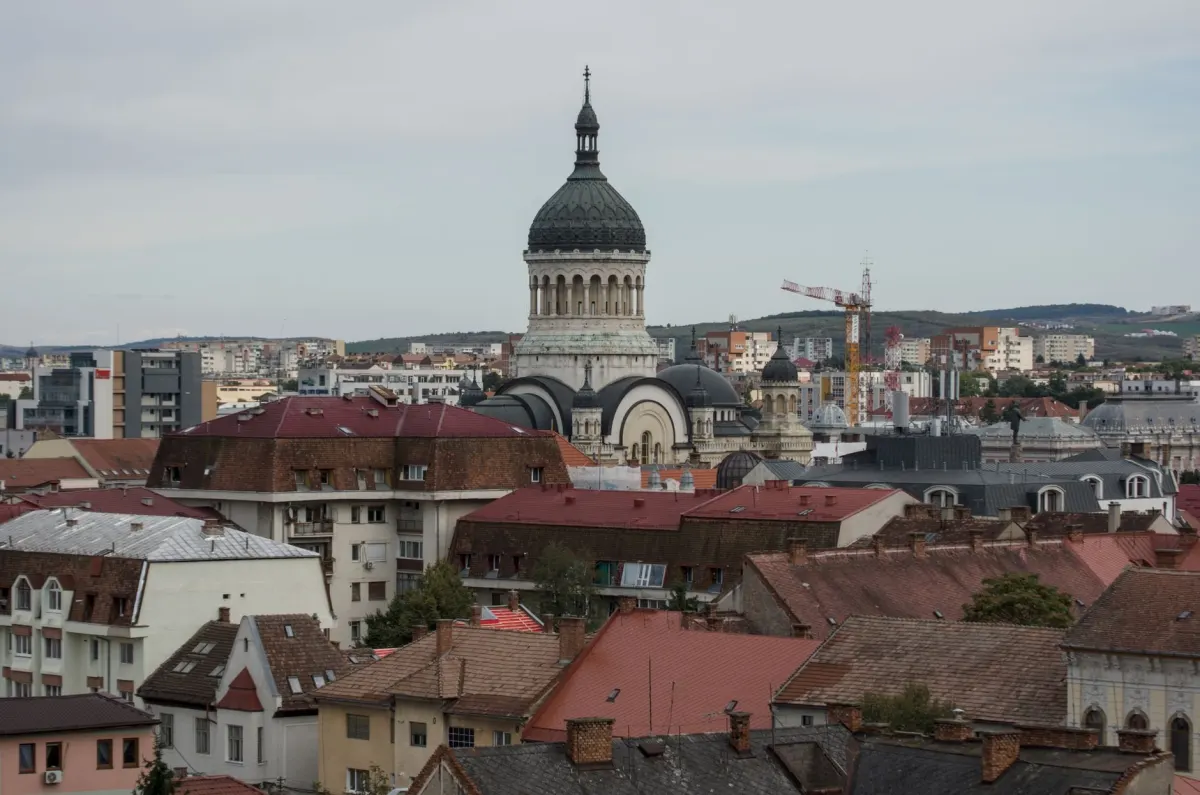
A short walk east brings you to a second great square, home to the Romanian National Theatre and Opera, a splendid late nineteenth-century building, and the large Orthodox Metropolitan Cathedral. In the evening, when the theatre is lit up and the fountains are running, this is one of the most beautiful urban spaces in the country.
Green Cluj
- The Alexandru Borza Botanical Garden, run by the university, is a lovely green escape with greenhouses, themed sections and a serene Japanese garden.
- Central Park, along the Someș river, with its lake, shaded alleys and the elegant old Casino building.
- Cetățuia Hill, just north of the centre, offers the classic panoramic view over the city's roofs and spires. Come at sunset.
Festival city
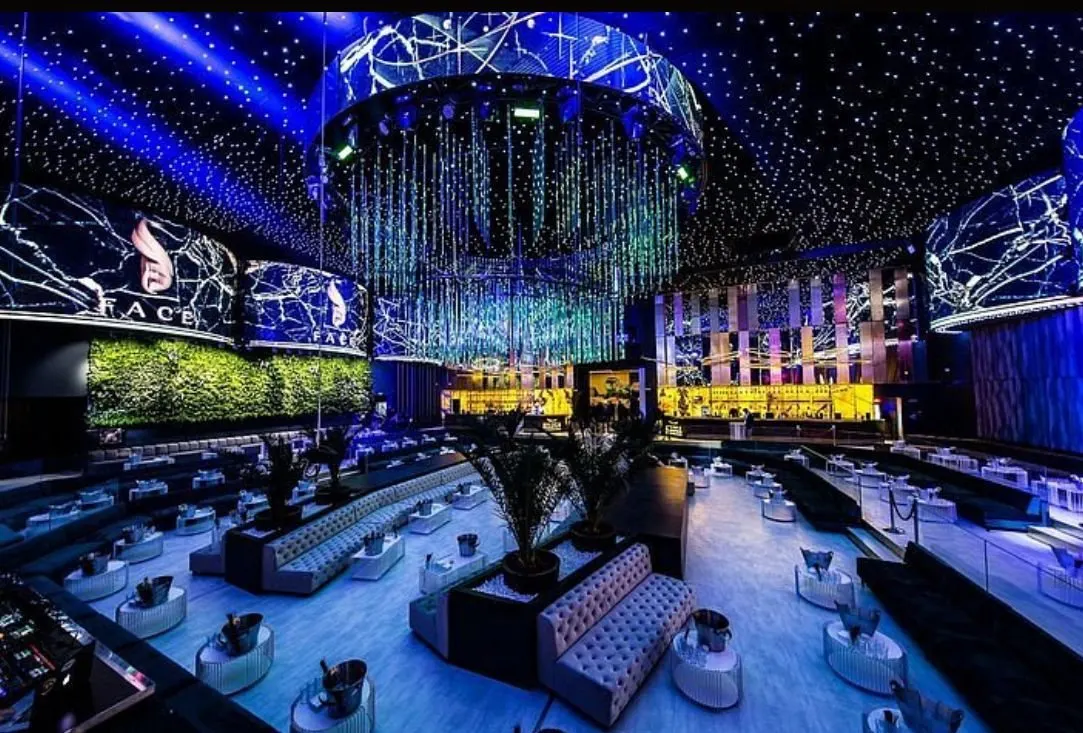
Cluj has built an international reputation for its festivals. UNTOLD, one of the largest electronic music festivals in Europe, takes over the city in summer, usually in August. Electric Castle is held in the grounds of the Bánffy Castle at nearby Bonțida, typically in July. The Transilvania International Film Festival, usually in June, is one of the most respected film events in the region. Dates change every year, so check before planning, and book well ahead: the city fills up fast.
Coffee, food and creative spaces
Thanks to its student population, Cluj has one of Romania's liveliest café cultures, with specialty coffee shops tucked into courtyards and old cellars. Its food scene mixes Transylvanian traditions, with Romanian, Hungarian and Saxon influences, and inventive modern cooking. Creative spaces in former industrial buildings host galleries, studios and performances. Ask our concierge for current recommendations that match your taste, as the scene evolves quickly.
Day trips from Cluj
- Salina Turda, the spectacular underground salt mine, about half an hour away.
- Turda Gorge, a dramatic limestone canyon ideal for a short hike.
- Bánffy Castle in Bonțida, a romantic aristocratic ruin under restoration.
- The Apuseni Mountains, with caves, karst plateaus and traditional villages.
Getting to Cluj
Cluj-Napoca lies in north-western Transylvania, a long drive from Bucharest. Many travellers choose to fly between the two cities, which takes about an hour, while others make the road journey part of a multi-day route through Brașov, Sighișoara or Sibiu.
Travel to Cluj with Kartas
Flying north? Our airport transfer service gets you to and from Bucharest's airport in comfort, with a driver waiting for you on arrival. Prefer the scenic way? Our concierge can arrange a private chauffeur to Cluj on request, with stops wherever Transylvania tempts you. No group, flexible timing, and a city that is always ready for one more evening out.
Σχεδιάστε το μαζί μας
Θέλετε να το οργανώσουμε εμείς για εσάς;
Πείτε μας τις ημερομηνίες σας — θα σας στείλουμε ένα ιδιωτικό πρόγραμμα με σταθερές τιμές.