Food & wine · 4 October 2026 · čtení 5 min · 0 čtení
Romanian Wine: A Guide to Dealu Mare and Beyond
Fetească Neagră, sun-warmed slopes and cellars an hour from the capital: an insider's guide to Dealu Mare and Romania's other great wine regions.
Ask most visitors what they know about Romanian wine and you will get a polite pause. That is precisely the charm. Romania has been making wine for millennia, it is one of Europe's larger wine producers, and yet its bottles remain a delicious secret outside the country. The easiest place to begin unravelling that secret is barely an hour and a half from Bucharest, on the sunny southern slopes of the Carpathian foothills: Dealu Mare, the "Great Hill".
Why Dealu Mare is special
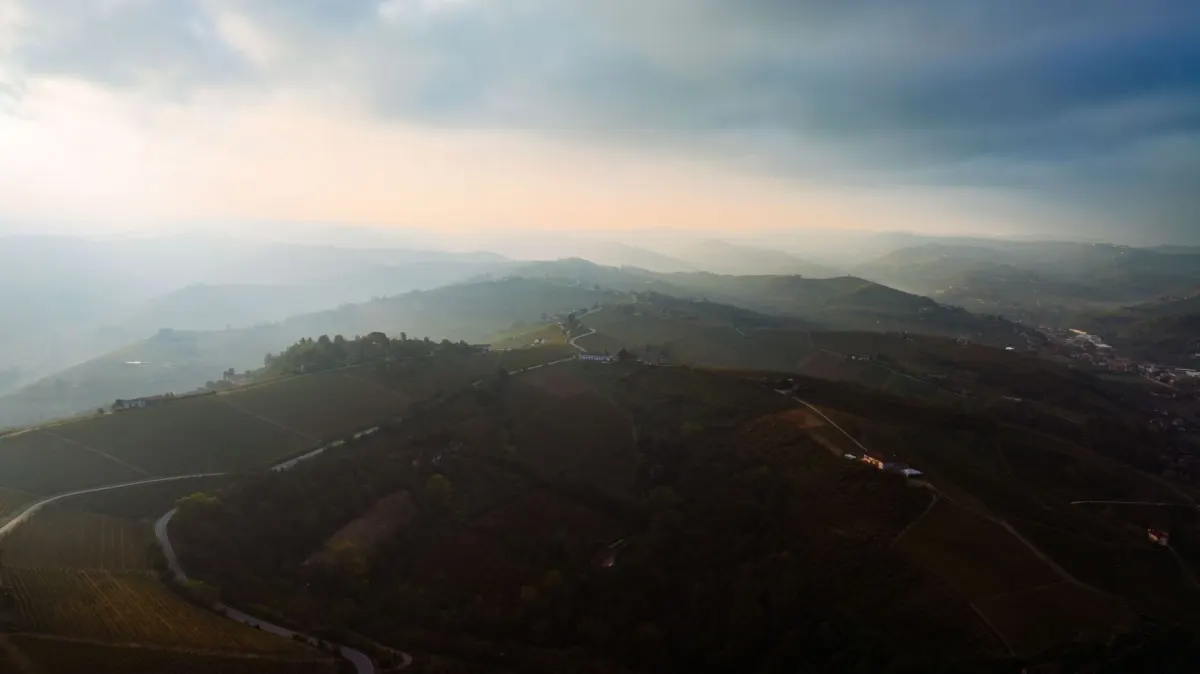
Dealu Mare stretches across parts of Prahova and Buzău counties, a long band of hills that catches the southern sun while the mountains behind it shield the vines from the harshest northern winds. Warm summers, cool nights and well-drained slopes give the region a reputation, above all, for red wines with ripe fruit, soft tannins and a quiet depth that pairs beautifully with Romanian cooking.
The landscape is part of the pleasure. Rows of vines run along rolling ridges, villages sit in the folds between them, and on a clear day you can see the plain of Wallachia unfolding to the south. Over the past two decades the area has seen a wave of investment, and today a drive along the so-called wine road reveals everything from small family cellars to sleek modern estates with tasting rooms and terraces.
The grapes to know
Romania grows plenty of international varieties, and Dealu Mare does them well: Cabernet Sauvignon, Merlot and Pinot Noir all thrive here. But the real reason to come is the native grapes, which you will rarely find anywhere else.
- Fetească Neagră – the "black maiden", Romania's signature red. Expect dark plums, dried fruit, a hint of spice and, in the best examples, a lovely velvety texture.
- Fetească Albă and Fetească Regală – two fresh, aromatic whites, the first more delicate and floral, the second crisper and livelier.
- Tămâioasă Românească – an intensely perfumed member of the Muscat family, famous around the village of Pietroasa and often made in sweet, honeyed styles.
- Băbească Neagră – a lighter, red-fruited grape that is wonderful slightly chilled on a summer afternoon.
A small historical footnote adds romance to Pietroasa: in the nineteenth century a hoard of late antique gold, known as the Pietroasele Treasure, was discovered nearby. Wine and gold on the same hillside feels about right.
How to taste Dealu Mare properly
Wine tourism in Romania is still refreshingly personal. Many cellars welcome visitors by appointment rather than with fixed tour schedules, so the secret is planning. A typical day might combine two or three tastings, a long lunch with local dishes and a slow drive between estates, with time to stop for photographs where the vines meet the sky.
Insider tips
- Book ahead. Smaller producers often open their doors only on request, and the most interesting visits are the ones arranged in advance.
- Go in late summer or autumn. September and October bring the harvest, golden light and the smell of fermenting must in the air.
- Ask about older vintages. Many cellars keep a few library bottles that never reach the export market.
- Do not drive yourself. Romanian law is strict about drinking and driving, and the whole point of the day is to taste freely.
Beyond Dealu Mare: Romania's other wine regions
Once Dealu Mare has won you over, the rest of the country is waiting. Each region has its own personality, and its own local grapes.
Drăgășani, Oltenia
West of Bucharest, on terraces above the Olt River, Drăgășani is known for elegant whites and some rare red varieties. Look for Crâmpoșie Selecționată, a crisp, mineral white, and the native reds Novac and Negru de Drăgășani.
Cotnari, Moldavia
In the north-east, Cotnari is a historic name with deep roots. Its pride is Grasă de Cotnari, a white grape traditionally made into rich, sweet wines with remarkable ageing potential.
Murfatlar, Dobrogea
Between the Danube and the Black Sea, the sunny, dry climate of Murfatlar produces generous, ripe wines. It combines beautifully with a trip to the coast at Constanța.
Târnave, Transylvania
The cool plateau around the Târnava rivers, close to the Saxon towns of Transylvania, is ideal for fresh, aromatic whites. Pair a tasting here with a visit to Sighișoara or the fortified churches and you have a perfect cultural and culinary escape.
Romanian food to pour it with
Romanian wine makes the most sense at the Romanian table. Fetească Neagră is a natural partner for sarmale (cabbage rolls) and grilled meats, while a fresh Fetească Regală loves zacuscă, mountain cheeses and freshwater fish. Sweet Tămâioasă is magic with walnut cakes and papanași, the beloved Romanian doughnuts served with sour cream and jam.
Taste Romania with Kartas Bucharest Experience
The best way to experience Dealu Mare is to leave the driving, the timing and the reservations to someone else. With Kartas, a private chauffeur collects you from your hotel in a Mercedes, glides you through the vineyards at your own pace and brings you back to Bucharest relaxed and well tasted. Longer wine journeys to Drăgășani, Cotnari, Murfatlar or Transylvania can be arranged on request through our concierge, who will shape the route, the timing and the comforts around you. Raise a glass; we will take care of the rest.
Naplánujte si to s námi
Přejete si, abychom to zařídili za vás?
Sdělte nám termíny — zašleme vám soukromý plán s pevnými cenami.