
Nature · 23 September 2026 · 4 min read · 0 reads
Snagov: The Lake, the Monastery and Vlad's Legendary Tomb
An island monastery, a mysterious tomb and a forest-fringed lake just north of Bucharest: discover Snagov, the capital's most atmospheric escape.
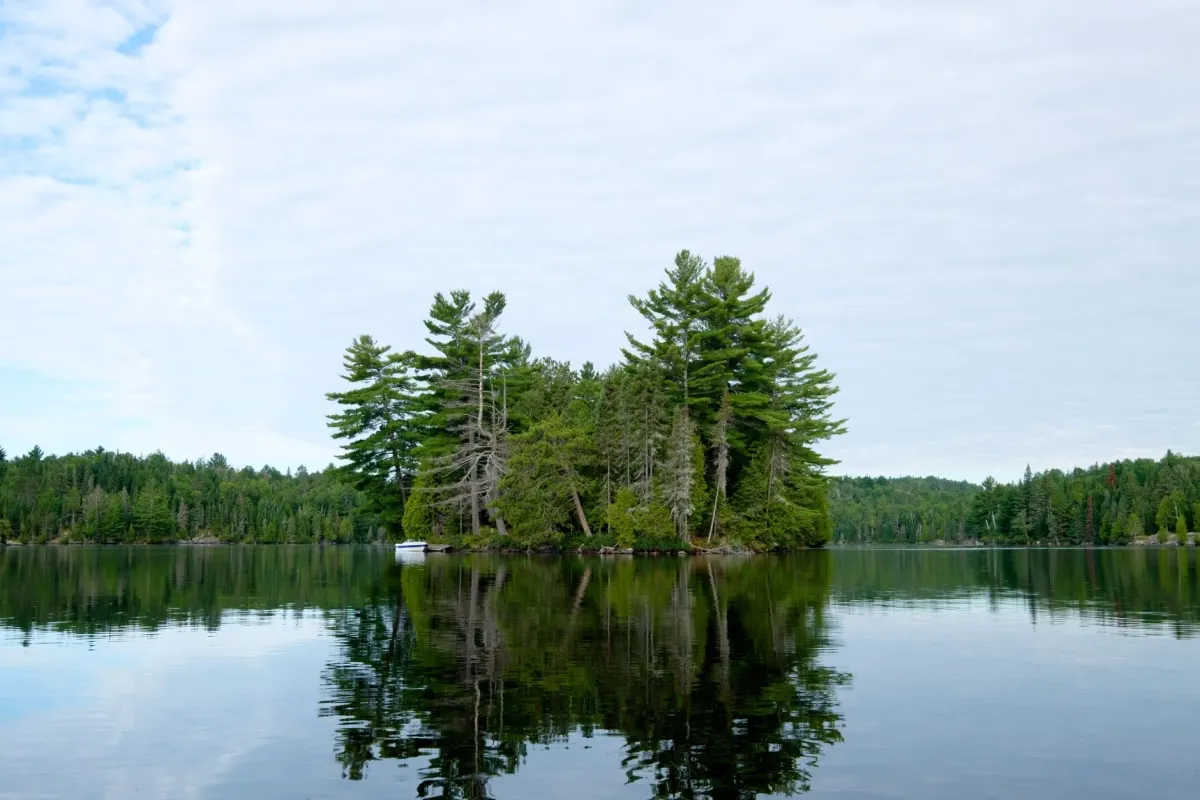
Less than an hour's drive north of Bucharest, the city noise fades and the landscape turns green and watery. Here lies Snagov, a long, winding lake fringed by forest, villas and reed beds. On a small island in the middle stands a centuries-old monastery wrapped in one of Romania's most enduring mysteries: is this the final resting place of Vlad the Impaler, the prince whose name inspired Dracula?
The lake: Bucharest's green escape
Lake Snagov is one of the largest natural lakes in the Bucharest area, and for generations it has been the capital's favourite weekend getaway. In the interwar years it attracted aristocrats and the royal family, and today its shores are lined with private villas, lakeside restaurants and leisure clubs.
The setting is particularly lovely in late spring and summer, when the water glitters in the sun and boats glide between the wooded banks. Parts of the surrounding forest and lake are protected for their natural value, and birdlife is abundant, especially in the quieter areas. In autumn the trees turn gold, and the atmosphere becomes softer and more contemplative.
What to do on the lake
- Take a boat ride to see the shoreline and the monastery island from the water.
- Enjoy a long lakeside lunch, with fresh fish and Romanian classics.
- Walk in the forest surrounding the lake, a cool refuge on hot summer days.
- Try water sports in the warmer months, from kayaking to more energetic activities offered by local clubs.
The island monastery
The Snagov Monastery occupies a small island near the northern part of the lake. Monastic life on the site goes back many centuries, and local tradition associates the monastery with several Wallachian rulers. The current church, built in the early sixteenth century, is a compact, beautiful building of brick and stone with old frescoes inside.
The monastery also has a place in Romanian cultural history. In the late seventeenth century a printing press operated here, associated with the scholar and churchman Antim Ivireanul, who later became Metropolitan of Wallachia. Books printed on this small island helped spread learning across the region.
Visitors usually reach the island by a footbridge or by boat, depending on current arrangements. As an active monastery, it asks for respectful dress and behaviour: shoulders and knees covered, and a quiet voice inside the church.
The tomb of Vlad the Impaler?
Here lies the heart of the legend. According to a long tradition, Vlad III, the fifteenth-century ruler of Wallachia known as Țepeș, "the Impaler", was buried at Snagov after his death around the end of 1476. Vlad was connected with the monastery during his reign, and the story of his burial here has been told for generations.
Inside the church, a tombstone near the altar is traditionally marked as his grave, often with a portrait and flowers left by visitors. However, the historical evidence is far from settled. Archaeological investigations in the 1930s did not produce conclusive proof that Vlad was buried there, and some historians argue that his resting place could be elsewhere, notably Comana Monastery, south of Bucharest, which Vlad himself founded.
The honest answer is that nobody knows for certain. That uncertainty is part of Snagov's spell: standing in the dim, candle-lit church, surrounded by water, it is easy to understand why the legend has endured.
History and legend side by side
Snagov offers a fascinating opportunity to reflect on the difference between Vlad the historical prince and Dracula the fictional vampire. Bram Stoker never mentioned Snagov in his novel, and the real Vlad was a ruler of his time, harsh, determined and deeply involved in the politics between Hungary, Wallachia and the Ottoman Empire. Visiting the monastery lets you meet the man behind the myth in a quiet, authentic setting, far from the souvenir stalls.
Combining Snagov with other sights
Because it is so close to Bucharest, Snagov is perfect for a half-day trip or as part of a longer itinerary:
- Mogoșoaia Palace, on the north-western edge of Bucharest, a masterpiece of the Brâncovenesc style with gardens by a lake.
- Comana, south of the city, with its monastery and natural park, for those who want to explore the alternative tomb theory.
- Bucharest's Old Princely Court, where Vlad himself held court, to complete the story.
Practical tips
- Go on a weekday if you prefer tranquillity; summer weekends can be busy with Bucharest residents escaping the heat.
- Check access to the island ahead of time, as arrangements and visiting rules may change.
- Bring insect repellent in summer, especially near the water at dusk.
- Combine culture with leisure: morning at the monastery, afternoon by the water.
Discover Snagov with Kartas Bucharest Experience
Snagov is ideal for a relaxed half-day escape, and arriving in comfort makes it even better. A private chauffeur in a Mercedes can collect you from your hotel, take you to the lake and monastery, and bring you back to Bucharest whenever you are ready. Prefer a lakeside celebration with friends? Ask about our private villa and pool parties, and our team will take care of every detail.
Plan it with us
Want this arranged for you?
Tell us your dates — we send a private plan with fixed prices.