Travel tips · 19 September 2026 · 4 min read · 0 reads
Romania Travel Tips: Money, Tipping, Safety and Etiquette
Lei, not euros. Tips in cash, flowers in odd numbers, shoulders covered in church. The practical, insider tips that make a trip to Romania feel effortless.
Romania rewards the prepared traveller. Nothing here is complicated, but a handful of small things, from which currency to carry to how to say thank you, make the difference between feeling like a tourist and feeling like a welcome guest. These are the tips we share with our own guests before they land.
Money: the Romanian leu
Romania is a member of the European Union, but it does not use the euro. The national currency is the leu (plural lei), code RON, divided into 100 bani. Prices you see in shops and restaurants are in lei; hotels and some services may quote in euros but usually charge in lei.
- Cards are widely accepted in Bucharest and other cities, including contactless and mobile payments. Carry some cash for village markets, small guesthouses, parking and tips.
- ATMs belonging to established banks are the easiest way to get lei. When a machine or card terminal offers to charge you in your home currency, choosing lei is usually the better deal.
- Exchange money only at banks or reputable exchange offices, and avoid anyone offering to change money in the street.
Tipping: generous but not obligatory
Tipping is customary and appreciated. In restaurants, around 10% is the usual gesture for good service, a little more for something memorable. Tips are often left in cash, even when you pay the bill by card, because card terminals do not always have a tip option.
One local subtlety: if you hand over cash and say mulțumesc (thank you) before receiving your change, many waiters will understand that you mean keep the change. Say thank you after the change arrives, or tell them how much you would like to leave.
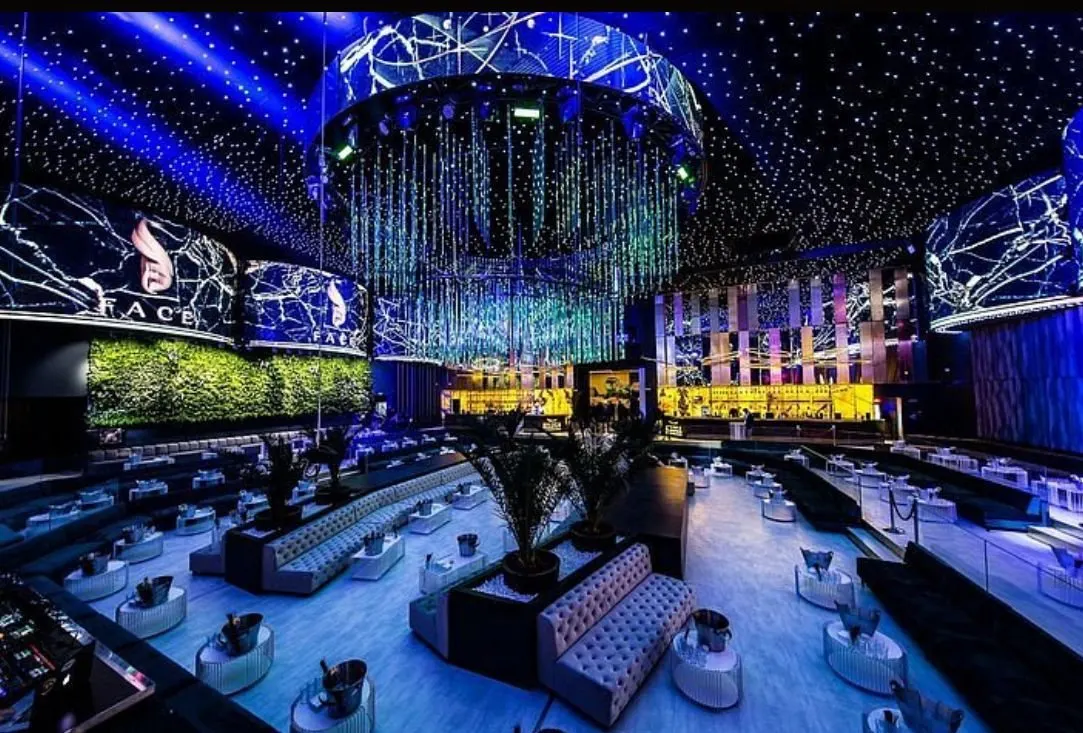
For hotel porters, guides and drivers, a tip is a kind gesture rather than an expectation. Bars and nightlife have their own rhythm, which we cover in our guide to Bucharest nightlife etiquette.
Safety: relaxed, with city sense
Romania is generally considered a safe destination, and violent crime against visitors is uncommon. The usual big-city precautions apply in Bucharest: keep an eye on bags and phones in crowded places and on public transport, and be wary of unsolicited offers from strangers.
- Use licensed taxis, ride-hailing apps or, better still, a pre-booked private car. Unofficial drivers touting at arrival halls are best politely ignored.
- The single European emergency number, 112, works throughout Romania.
- Stray dogs, once a well-known issue, are far less visible in Bucharest today, but in rural areas it is still wise to keep your distance from sheepdogs guarding flocks.
Etiquette: the small things that matter
In churches and monasteries
Romania is a deeply Orthodox country. Dress modestly when visiting places of worship: shoulders and knees covered, and men remove hats. Some monasteries ask women to cover their hair or wear a skirt, and often provide wraps at the entrance. Photography may be restricted inside, so look for signs or ask.
In people's homes
If you are invited to someone's home, bring a small gift such as wine, chocolates or flowers. Flowers are given in odd numbers; even numbers are reserved for funerals. Expect to remove your shoes at the door and to be offered far more food than you can eat. Accepting a second helping is the highest compliment.
Conversation
Romanians are warm, curious and often speak excellent English, especially younger people. A few words of Romanian go a long way: bună ziua (good day), mulțumesc (thank you) and noroc (cheers). And please avoid opening with vampire jokes; locals have heard them all.
Getting around
Romania is larger than many visitors expect, and distances can be deceptive. A drive from Bucharest to Brașov is a little over 170 km but can take longer than the map suggests, especially through the mountains on a busy weekend. Motorways are expanding, but many routes still follow two-lane national roads through towns and villages.
- In Bucharest: the metro is efficient for some routes, and ride-hailing apps operate widely. Traffic can be heavy at rush hour.
- Trains connect major cities and can be scenic, though rarely fast.
- Driving yourself requires a road vignette (rovinietă) for national roads, patience and an appetite for creative overtaking.
- Private chauffeur: the most relaxed way to combine several regions in one trip, with door-to-door timing and local knowledge built in.
Entry requirements and practicalities
Romania became a full member of the Schengen area in 2025, which removed routine checks at its internal land borders. Entry rules still depend on your nationality, so always check current entry requirements with official sources before you travel, and carry your passport or national ID card.
- Plugs are the European two-pin type F, at 230 V.
- Romania is on Eastern European Time, one hour ahead of Central Europe.
- Tap water in major cities is treated, though many visitors and locals prefer bottled water.
Let Kartas handle the details
The easiest way to travel in Romania is to let someone local take care of the logistics. From the moment you land, a Kartas airport transfer takes you straight to your door, and our concierge team can arrange restaurant tables, guides and tickets, so you can focus on simply enjoying the country.
Plan it with us
Want this arranged for you?
Tell us your dates — we send a private plan with fixed prices.